Dysmenorrhea is the medical term for severe, wave-like period pain. It is a classic form of uterine colic – occurring when the muscular walls of the uterus squeeze violently to shed its lining during a period.

Dysmenorrhea is the medical term for severe, wave-like period pain. It is a classic form of uterine colic – occurring when the muscular walls of the uterus squeeze violently to shed its lining during a period.
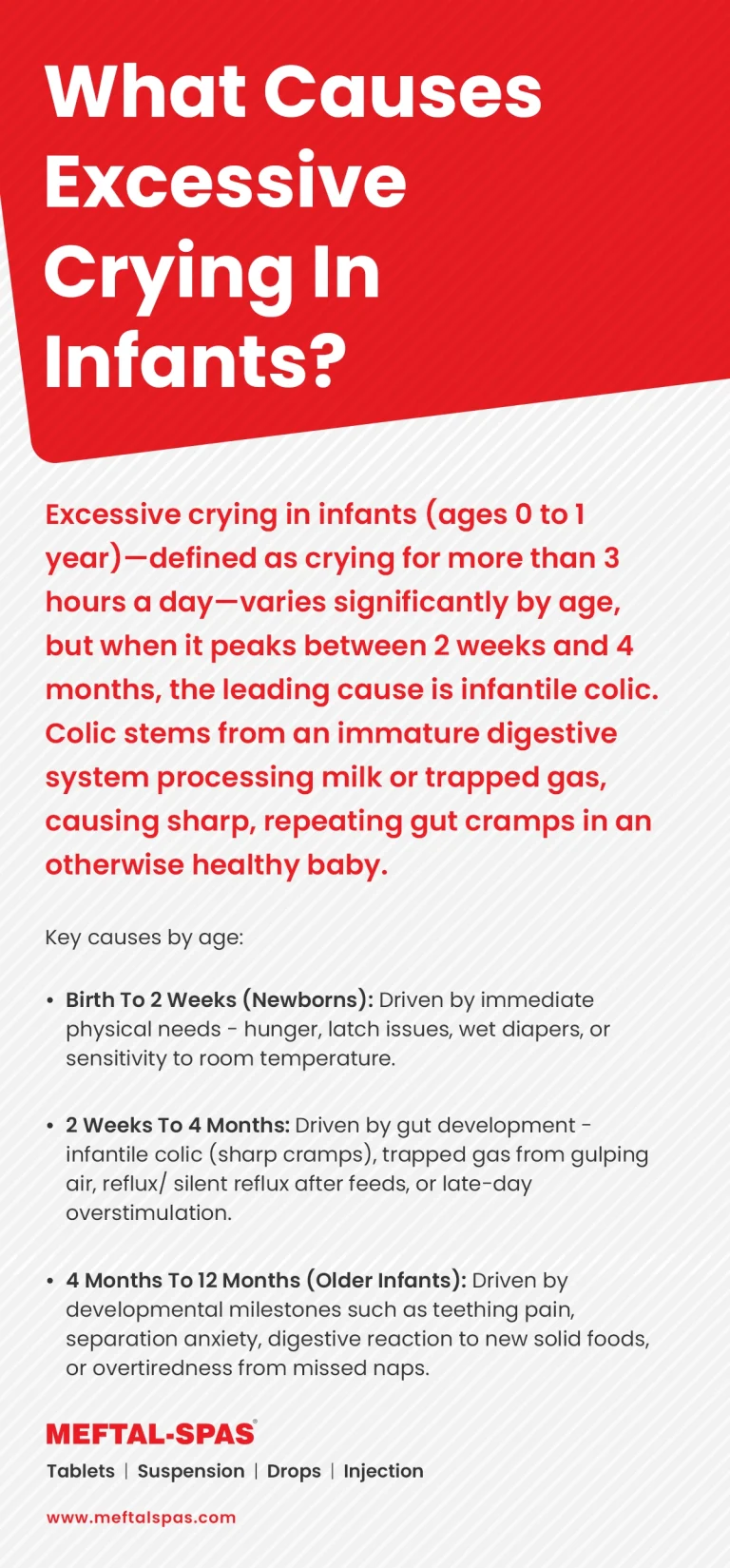
What causes excessive crying in infants? Learn the common causes by age, including colic, gas, reflux, teething, hunger, overstimulation, and separation anxiety.
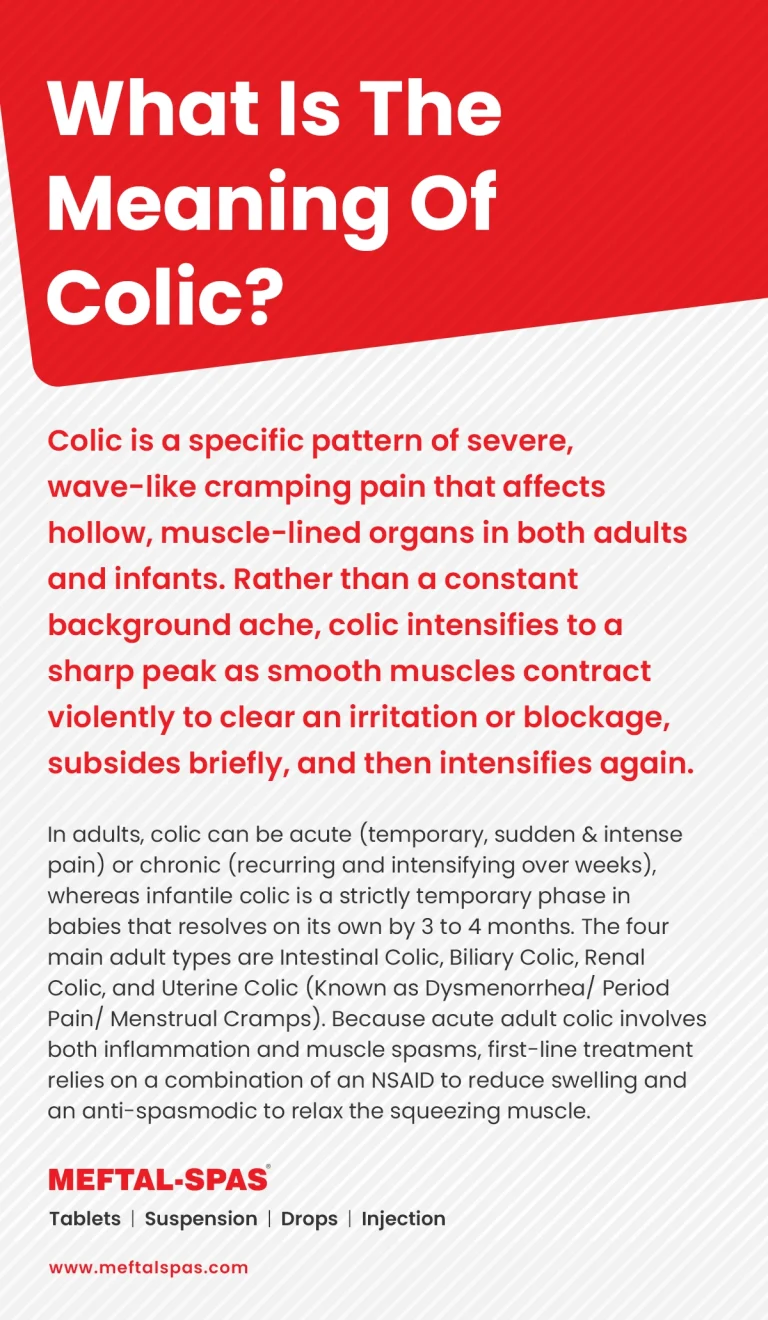
What is colic? Learn the meaning, causes, types, symptoms, and differences between adult and infant colic, including renal, biliary, intestinal, and uterine colic.
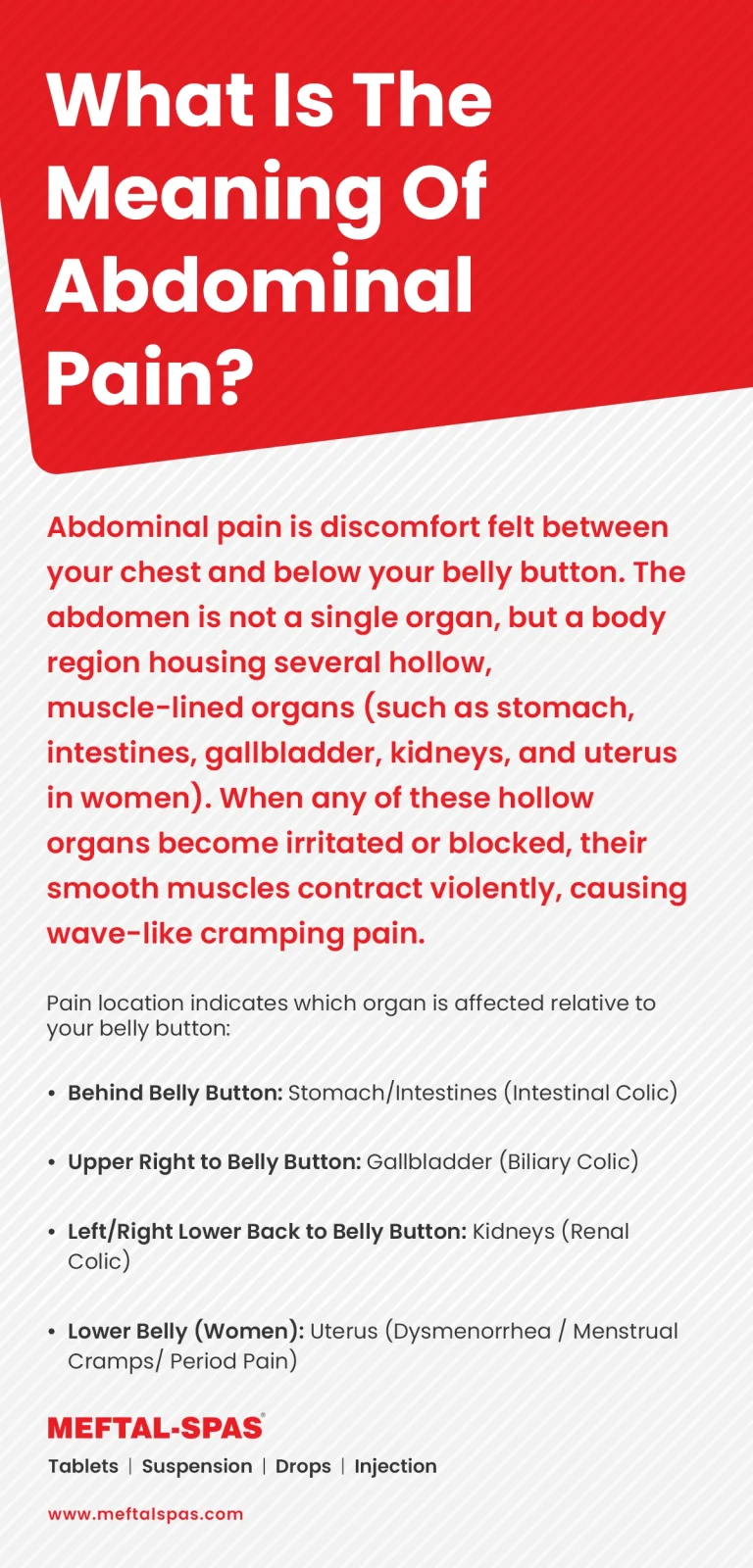
Learn what abdominal pain is, its common types, and the organs located in the abdomen, including the stomach, intestines, gallbladder, kidneys, and uterus.
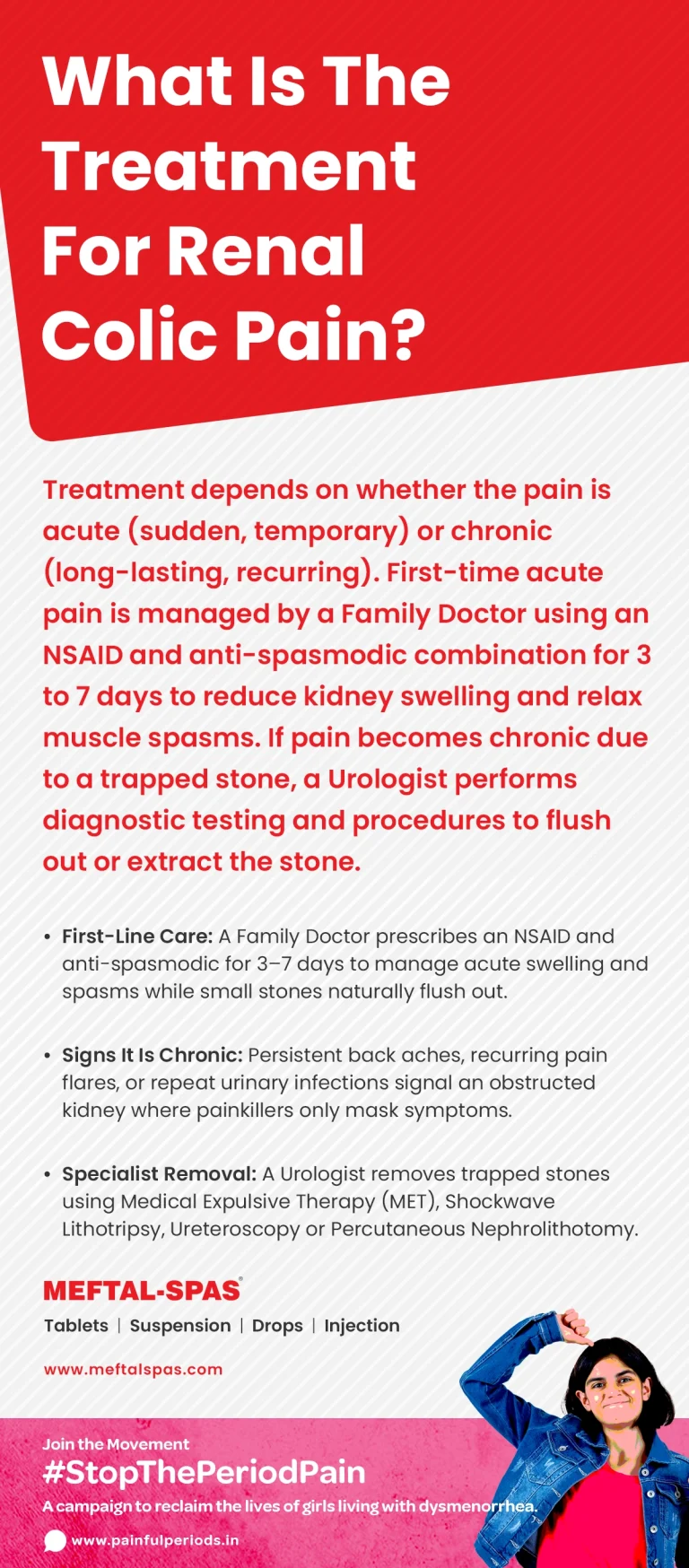
Renal colic pain treatment depends on whether the pain is acute or chronic. Learn how NSAIDs and antispasmodic medicines help relieve kidney stone pain.
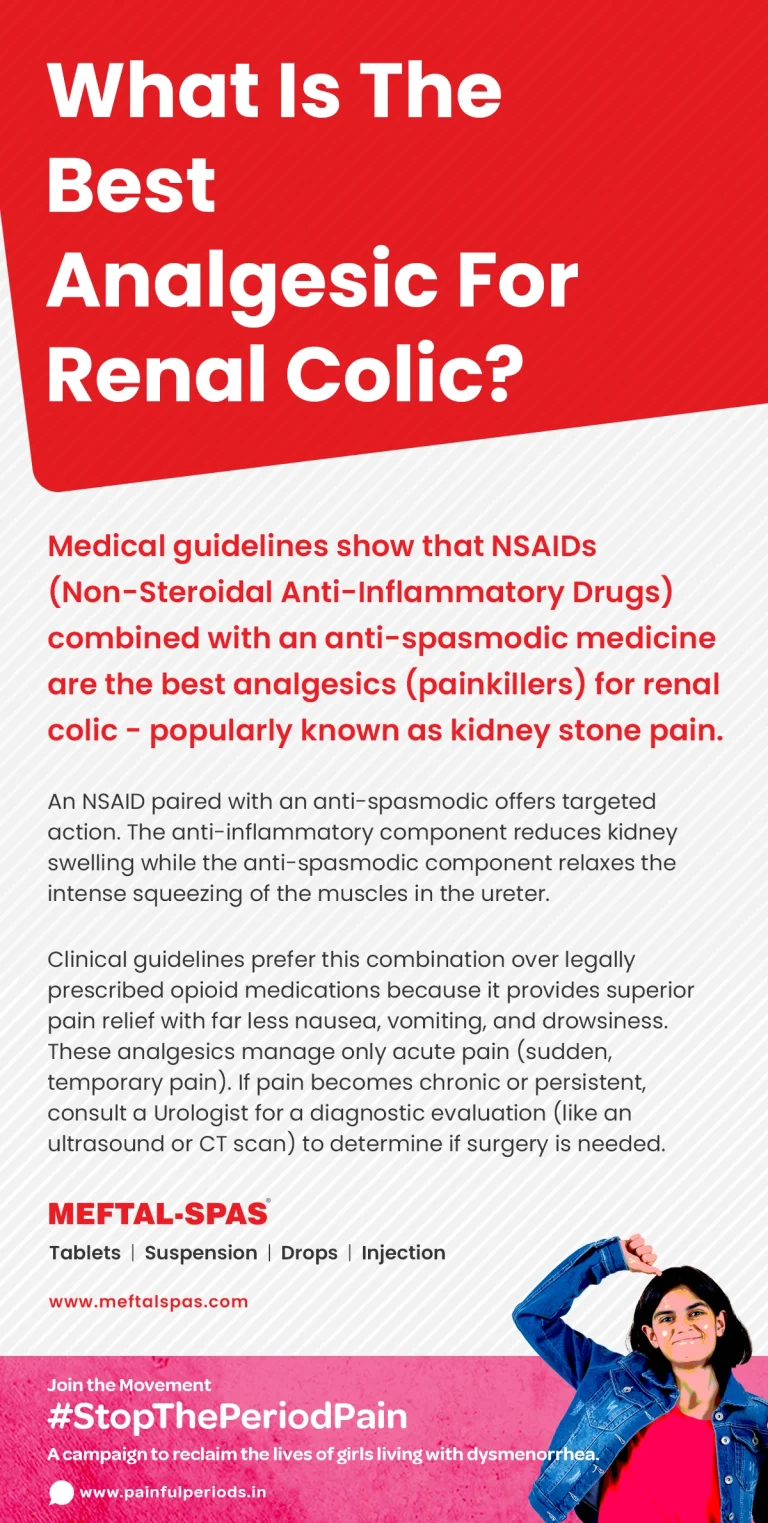
Medical guidelines show that NSAIDs (Non-Steroidal Anti-Inflammatory Drugs) combined with an anti-spasmodic medicine are the best analgesics (painkillers) for renal colic – popularly known as kidney stone pain.
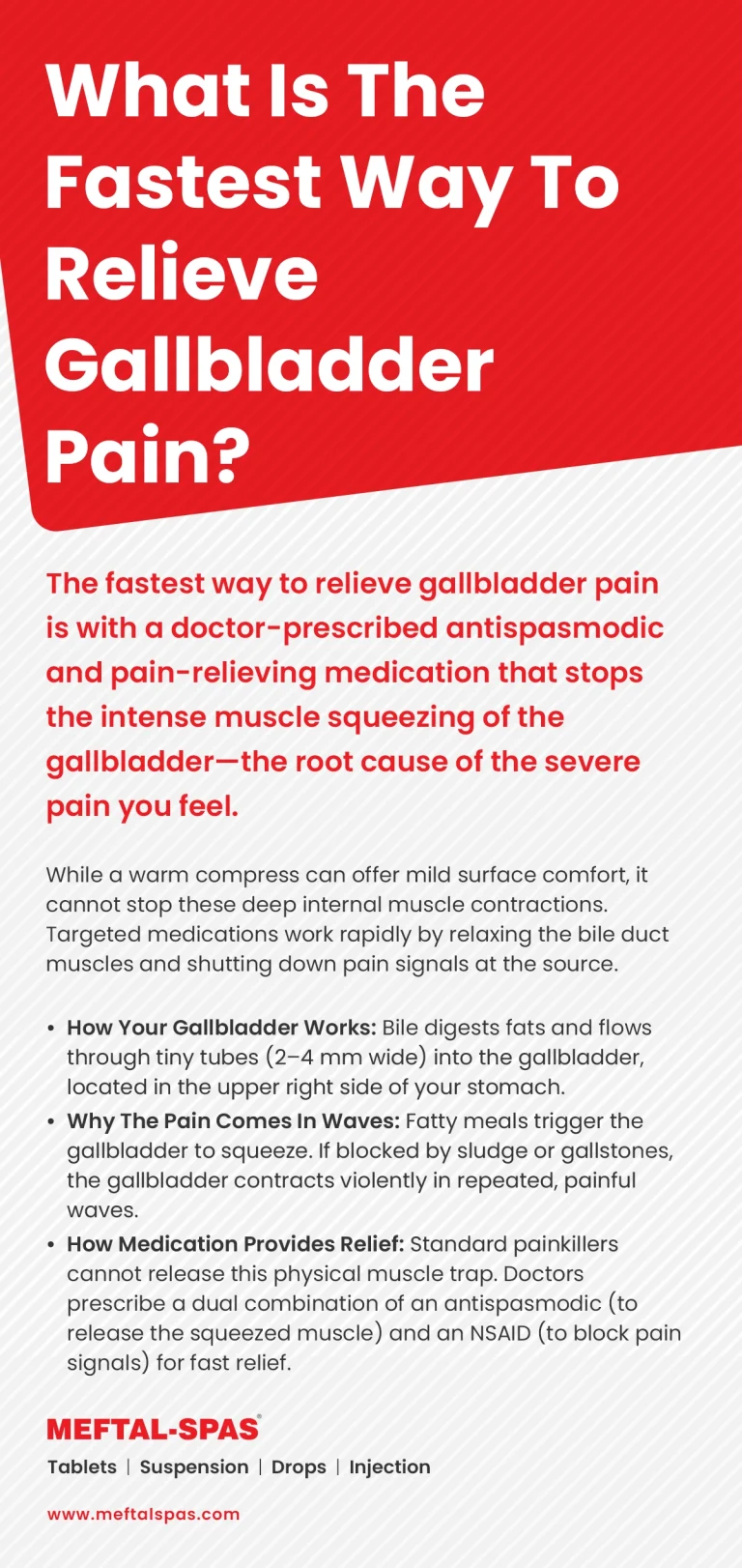
The fastest way to relieve gallbladder pain is with a doctor-prescribed antispasmodic and pain-relieving medication that stops the intense muscle squeezing of the gallbladder – the root cause of the severe pain you feel.
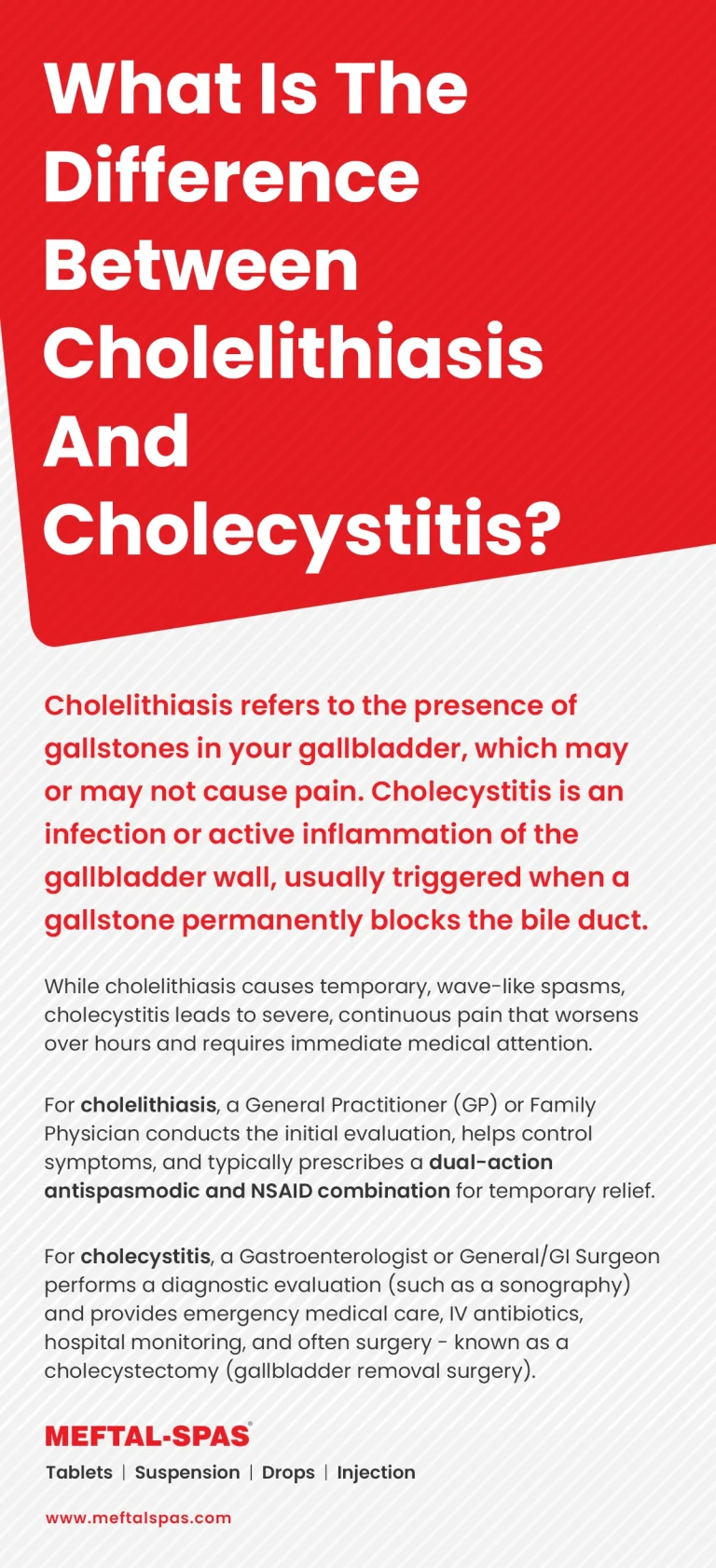
Learn the difference between cholelithiasis and cholecystitis, including gallstone symptoms, causes, pain patterns, and when gallbladder inflammation needs urgent care.